

From the moment a name is spoken, it becomes part of a person’s identity. Names carry hidden meanings, cultural roots, symbolic messages, and echoes of history. They do not exist as random sounds. Most names have origins in ancient languages, social traditions, religious beliefs, or geographical descriptions that reveal deeper layers when examined closely. Understanding the hidden symbolism behind names connects us to culture, meaning, and even human psychology.
Why Name Meaning Matters
A name is more than a way to call someone. It reflects culture, values, hopes, and linguistic history. According to linguistic research in the field of onomastics, names serve important cultural and symbolic roles, not merely functioning as labels but as carriers of tradition and belief systems. These symbolic functions include family identity, religious meaning, and social connection that span generations.
Scholars explain that in many cultures, names are chosen with intention. They are not random. The literal and connotative meanings of names can reflect personal aspirations, religious values, or desired qualities that parents hope their children will embody. (jalt.com.pk)

How Names Originally Acquired Meaning
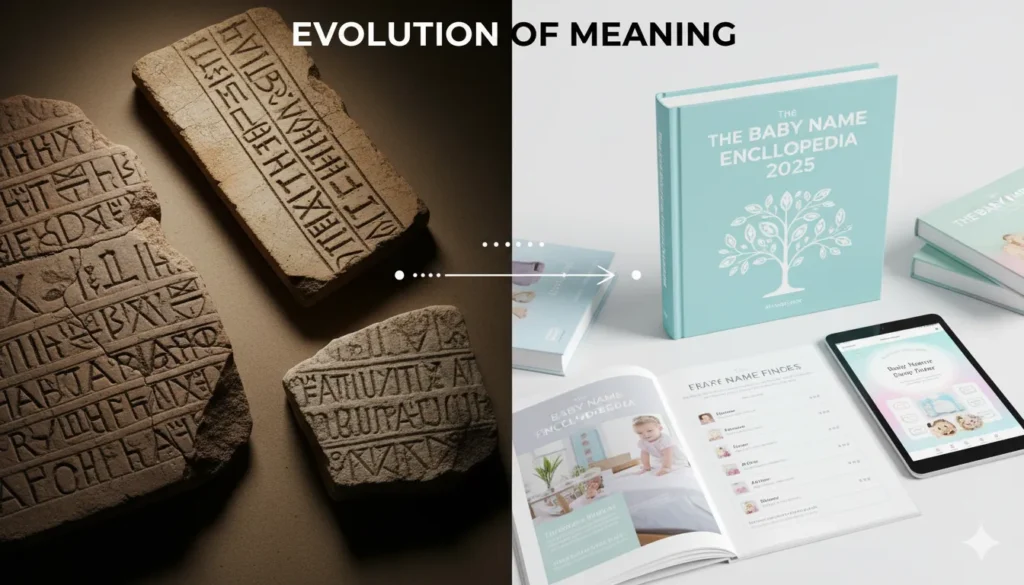
Not all names were originally just names. Many began as common words describing personal traits, professions, or locations. For example, early surnames like “Taylor” or “Smith” described what a person did for a living. Similarly, many given names also started as descriptive words in ancient languages. (Behind the Name)
For centuries, humans used words to communicate meaning directly. When these words became names, their semantic weight came with them. This explains why many names today still literally mean something in older languages even if speakers no longer recognize that meaning immediately. (Behind the Name)
Hidden Symbolism in Everyday Names
Many familiar names have meanings that reveal symbolic strength, value, or spiritual significance. Here are some examples that illustrate how ordinary names can hold profound messages:
- Mary often comes from Hebrew roots associated with beauty or beloved status. It remains popular across different cultures and faith traditions. (The Meaning of Names)
- Grace is not only a pleasant‑sounding name but also literally refers to a concept of divine favor or kindness in Christian theology. (Mama Bean Parenting)
- Diana traces back to Roman mythology and signifies a divine or heavenly quality, once associated with a goddess of nature and the moon. (Mama Bean Parenting)
Names like these show that hidden symbolism often reflects ideas that cultures value such as divinity, virtue, or beauty. These meanings exist beneath familiarity and offer depth beyond sound or trend.
Names and Culture
Names often carry cultural symbolism that connects individuals to specific traditions. In some languages and societies, names capture geographic descriptions, historical figures, or community values.
For example, the Yoruba name Ìyàndá means “one specially chosen to be made,” reflecting a purposeful creation that parents bestow with pride. (Wikipedia)
In many cultures, sacred naming ceremonies imbue names with spiritual or religious meaning. Across Africa, Asia, and the Middle East, names are often chosen for spiritual resonance and to reflect cultural identity. (Behind the Name)
Symbolism Found in Myth and Story
Beyond linguistic meaning, names often carry narrative symbolism from literature, legend, and myth. Authors and storytellers have long used names to convey character roles or destiny in stories. For example, a name that means “light” might be given to a character symbolizing hope or enlightenment, while names in ancient narratives could foreshadow fate or personal journey. (jahan-e-tahqeeq.com)
This literature‑based symbolism often overlaps with real name meanings and cultural mythologies, demonstrating that names can play roles beyond mere identification.
Hidden and Unexpected Origins
Not all elements of name symbolism are positive in modern perception. Some names have meanings that are surprising, outdated, or even contradictory to current connotations. When a name shifts from its origin to broad use over centuries, its original symbolism can fade or transform.
Some names that seem benign now had meanings in older languages that were physical descriptions or references to traits rather than values or virtues. (Behind the Name)
Name Meaning and Personal Identity
The personal significance of a name extends beyond etymology. Research into cultural identity shows that names shape how individuals and communities see themselves and others. Names are tied to family, tradition, and belonging throughout life. (Behind the Name)
In some traditions, a name may be changed to mark an important life event or to express a spiritual transformation, emphasizing that identity and name meaning are deeply connected.

How to Find Hidden Meaning in a Name
If you want to discover hidden symbolism behind a name:
- Search for its linguistic roots in ancient or traditional languages.
- Check cultural and historical usage of the name in different regions.
- Look at mythical or religious connections that may give the name symbolic depth.
- Consider whether the modern perception aligns with original meanings.
- Use reputable etymology databases or onomastics research tools. Sources like Behind the Name provide meaning and history for thousands of names. (Behind the Name)
Final Thoughts
Names are far more than labels. They represent language, history, culture, spiritual significance, and in many cases personal values. Knowing the meaning behind a name connects us to the past, informs identity, and can imbue a sense of purpose or belonging. When parents choose names with insight, or when individuals explore the roots of their own names, they tap into centuries of meaning and collective heritage that span human experience.