

A name is often the first gift a person receives. Long before personality, achievements, or experiences shape who we become, our name carries meaning, history, and intention. Across cultures and generations, names have been used to express identity, honor loved ones, and pass down stories that last a lifetime.
This article explores why names matter, how they influence identity, and the deeper stories hidden behind the names we carry.
The Power of a Name
Names are more than simple labels. They become closely tied to who we are and how others experience us. Hearing a name instantly brings a face, a voice, or a memory to mind.
Psychological research suggests that names can influence first impressions and social perception. A name can shape how confident a person feels and how others respond to them, especially in early interactions.
Source: https://www.psychologytoday.com/us/blog/fulfillment-any-age/201306/what-s-in-a-name
Names as a Reflection of Identity
Names often reflect where we come from and what matters to our families. They carry linguistic roots, cultural traditions, and shared values.
For example, Arabic names often highlight virtues such as patience, strength, or faith. Greek names frequently trace back to mythology and ancient philosophy. African names may describe the circumstances of birth or parental hopes. Western names often preserve family lineage or religious significance.
Through a name, identity is preserved and passed forward.
The Emotional Meaning Behind Names
Most names are chosen with care. Parents often select names that carry emotional weight or personal meaning.
Common reasons behind name choices include honoring grandparents or ancestors, remembering someone deeply loved, reflecting spiritual beliefs, symbolizing hope or resilience, or celebrating cultural heritage.
In this way, a name becomes a quiet message of love that follows a person throughout life.
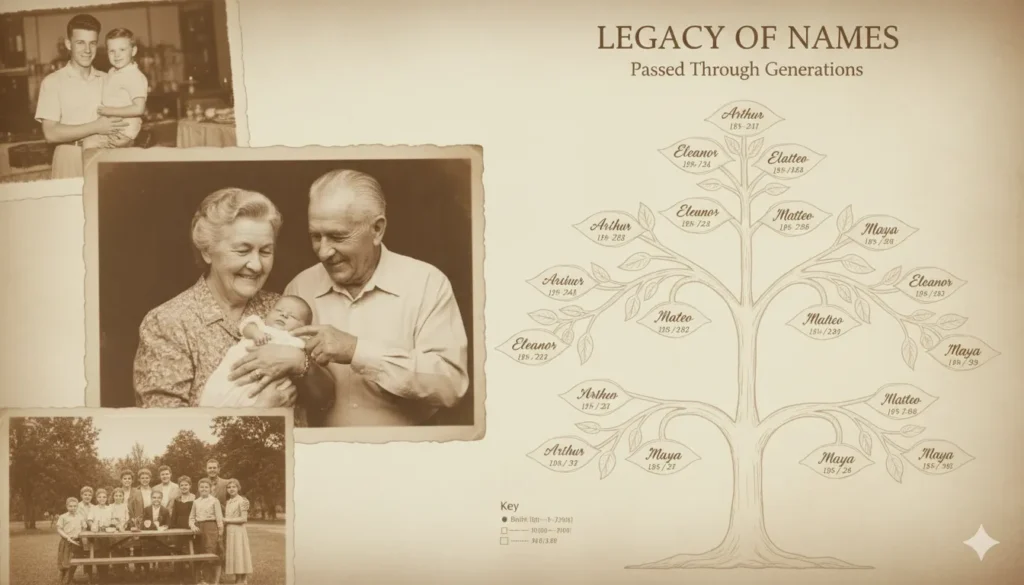
The Stories Names Carry Through Generations

Many names hold stories that stretch across generations. A family name may recall migration, survival, or significant moments in history.
Names passed down through families can represent resilience during hardship, a legacy of leadership or service, or a connection to a homeland left behind. These stories are often shared through family conversations, strengthening bonds and keeping memories alive.
How Names Influence Perception and Opportunity
Studies show that names can influence how individuals are perceived in academic, social, and professional settings. While ability and character matter most, names can shape assumptions before a person is fully known.
Research has found that familiar names may be perceived as more trustworthy, unusual names may stand out more strongly, and cultural names can trigger unconscious bias.
Source: https://www.nber.org/papers/w9873
This reality highlights how deeply names are embedded in human psychology.
Reclaiming and Redefining Names

In modern society, many people choose to reclaim or redefine their names. This can mean embracing cultural roots, correcting pronunciation, choosing a preferred name, or changing a name entirely for personal reasons.
This shift reflects a growing belief that names should align with personal identity rather than expectation alone.
The Rise of Meaning-Driven Naming
In recent years, parents have moved away from choosing names based only on trends. Meaning has become a central factor.
Popular themes include names connected to nature and balance, names symbolizing resilience or hope, gender-neutral names focused on values, and names with spiritual or philosophical depth.
This change shows that names are increasingly viewed as intentional foundations rather than decorative choices.
Why Knowing Your Name’s Meaning Matters
Understanding the meaning of your name can be empowering. It connects you to history, culture, and intention.
Learning about a name’s origin can strengthen identity, build appreciation for heritage, encourage self-reflection, and create deeper connections with family history.
Choosing a Name That Lasts a Lifetime
When choosing a name, whether for a child or yourself, it helps to consider meaning and origin, cultural relevance, how the name sounds at different life stages, emotional significance, and personal connection.
A well-chosen name grows with a person and becomes part of their story rather than a limitation.
Final Thoughts
Names matter because people matter. They carry emotions, traditions, memories, and hopes that often outlive generations. Whether passed down, carefully chosen, or personally reclaimed, a name is one of the most powerful symbols of human identity.
Behind every name is a story worth understanding, respecting, and remembering.
If you want, I can also rewrite this in a more emotional tone, simplify it for a younger audience, add internal linking suggestions for your site, or convert it into SEO-ready HTML.